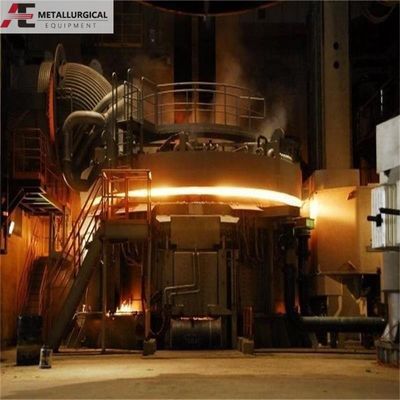
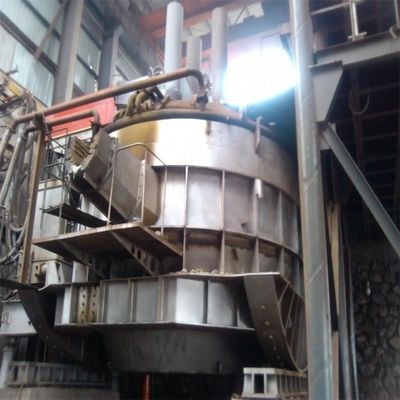
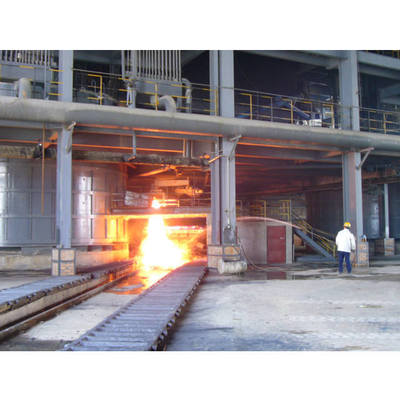
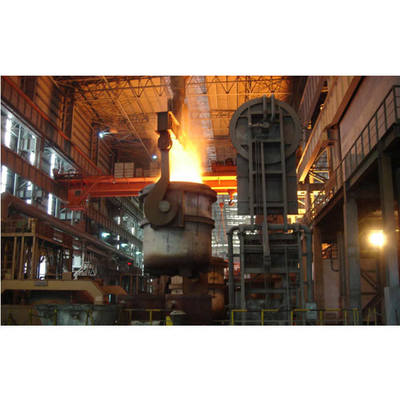
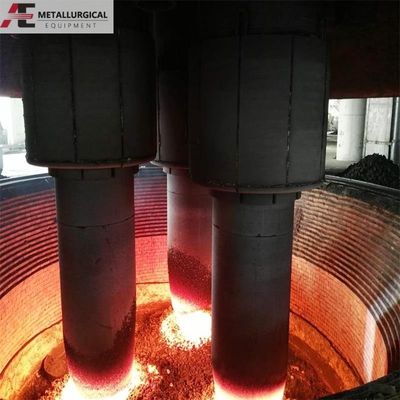
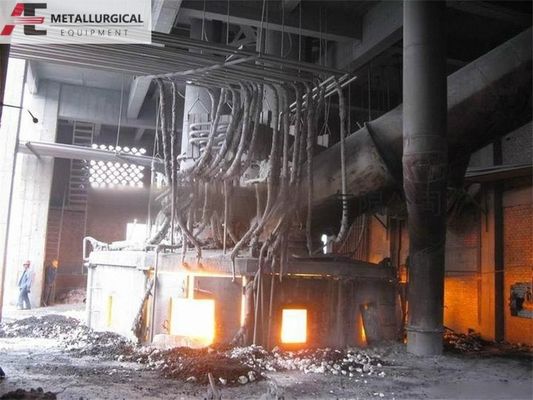
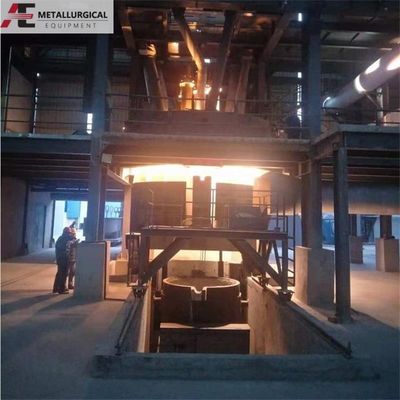
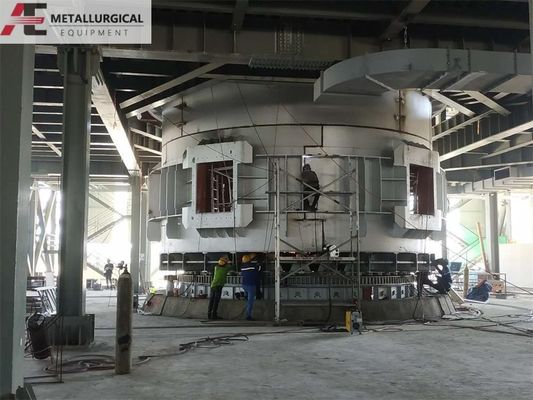
ডিসি ইলেকট্রিক আর্ক ফার্নের গঠন এবং কাঠামো
পরিচিতিবৈদ্যুতিক আর্ক ফার্নেস
একটি বৈদ্যুতিক আর্ক চুলা একটি ধাতুবিদ্যা জাহাজ যা একটি বৈদ্যুতিক আর্ক দ্বারা উত্পন্ন তীব্র তাপ ব্যবহার করে ধাতু গলে এবং পরিশোধন করে। চুলার ভিতরে, এক বা একাধিক স্থায়ী আর্ক স্থাপন করা হয়.আর্ক ডিসচার্জের মাধ্যমে, বৈদ্যুতিক শক্তি দক্ষতার সাথে তাপীয় শক্তিতে রূপান্তরিত হয় যা চার্জ গরম এবং প্রক্রিয়া করার জন্য প্রয়োজনীয়।তার উচ্চ ক্ষমতা ঘনত্ব সঙ্গে মিলিত, চমৎকার ইলেক্ট্রোথার্মাল দক্ষতা, এবং চুল্লি বায়ুমণ্ডল এবং অপারেশন নিয়ন্ত্রণের আপেক্ষিক সহজতা, আর্ক চুল্লি একটি বহুমুখী শিল্প সরঞ্জাম করে তোলে।এটি বিশেষ করে অগ্নি প্রতিরোধী ধাতু গলে এবং উচ্চ গ্রেড বিশেষ উপকরণ উত্পাদন জন্য উপযুক্ত.
বৈদ্যুতিক আর্ক ফার্নেসের শ্রেণীবিভাগ
শিল্প আর্ক চুল্লিগুলি মূলত তিনটি ধরণের মধ্যে শ্রেণীবদ্ধ করা হয় যা আর্ক কীভাবে চার্জের সাথে মিথস্ক্রিয়া করে তার উপর ভিত্তি করেঃ
1. ডাইরেক্ট আর্ক ফার্নেসঃ আর্কটি সরাসরি ইলেক্ট্রোড (গুলি) এবং ধাতব চার্জের মধ্যে আঘাত করা হয়, সরাসরি আঘাতের মাধ্যমে এটি গরম করা হয়। এই বিভাগে অন্তর্ভুক্ত রয়েছেঃ
থ্রি-ফেজ এসি স্টীলমেকিং আর্ক ফার্নেস
ডিসি (ডাইরেক্ট স্ট্রিম) বৈদ্যুতিক আর্ক ফার্নেস
ভ্যাকুয়াম ব্যবহারযোগ্য ইলেক্ট্রোড আর্ক ফার্নেস (ভিএআর)
2. পরোক্ষ আর্ক ফার্নেস: দুটি ইলেক্ট্রোডের মধ্যে আর্ক গঠিত হয়, এবং আর্ক থেকে বিকিরণ দ্বারা চার্জ পরোক্ষভাবে উত্তপ্ত হয়। ঐতিহাসিকভাবে তামা খাদ জন্য ব্যবহৃত,এই চুল্লিগুলিকে মূলত প্রতিস্থাপিত করা হয়েছে কারণ উচ্চ শব্দ এবং অসামঞ্জস্যপূর্ণ গলিত মানের মত অসুবিধা রয়েছে.
3. ডুবে যাওয়া আর্ক ফার্নেস (এসএএফ): ইলেক্ট্রোডগুলি আংশিকভাবে খনি এবং কার্বন লোডের মধ্যে কবর দেওয়া হয়, লোডের মধ্যে আর্কিং ঘটে, মূলত ফেরোলেগ উত্পাদনের জন্য ব্যবহৃত হয়।
এই নথিতে ডিসি ইলেকট্রিক আর্ক ফার্নেসের গঠন এবং কাঠামোর উপর দৃষ্টি নিবদ্ধ করা হয়েছে।
বৈদ্যুতিক আর্ক এর প্রকৃতি
একটি বৈদ্যুতিক আর্ক একটি গ্যাস স্রাবের একটি রূপ, বিশেষত একটি স্ব-নির্ভরশীল (স্ব-উত্তেজিত) স্রাব। এর মূল বৈশিষ্ট্যগুলির মধ্যে একটি অপেক্ষাকৃত কম ভোল্টেজ ড্রপ (দশক ভোল্ট),একটি অত্যন্ত উচ্চ বর্তমান ঘনত্ব (প্রতি বর্গ সেন্টিমিটার প্রতি শত শত Ampere), তীব্র আলোর নির্গমন, এবং খুব উচ্চ তাপমাত্রায় ঘনীভূত তাপ উত্পাদন।
একটি আর্ক ফার্নে, আর্ক মূলত একটি গ্যাসে (ধাতব বাষ্প সহ) একটি পরিবাহী ঘটনা, যা একটি গরম ক্যাথোড (বৈদ্যুতিন টিপ) থেকে ইলেকট্রনগুলির তাপীয় নির্গমন দ্বারা শুরু হয়।গ্যাসকে পরিবাহী করার জন্য, এটিকে আয়নীকরণের মধ্য দিয়ে যেতে হবে, চার্জযুক্ত কণাগুলি উত্পাদন করেঃ ধনাত্মকভাবে চার্জযুক্ত আয়ন এবং নেতিবাচকভাবে চার্জযুক্ত ইলেকট্রন (বা, কম সাধারণভাবে, নেতিবাচক আয়ন) ।যেখানে ধনাত্মক ও নেতিবাচক চার্জ ভারসাম্যপূর্ণঅতএব, আর্ক মূলত একটি আর্ক প্লাজমা।
আর্ক মধ্যে গ্যাস আয়োনাইজেশন প্রক্রিয়া
আর্ক প্লাজমা বজায় রাখার জন্য প্রয়োজনীয় আয়নীকরণ বিভিন্ন প্রক্রিয়া দ্বারা উৎপন্ন হয়ঃ
1. সংঘর্ষের আয়নীকরণ (প্রাথমিক প্রক্রিয়া): গরম ক্যাথোড থেকে নির্গত উচ্চ-শক্তিযুক্ত ইলেকট্রনগুলি বৈদ্যুতিক ক্ষেত্র দ্বারা ত্বরান্বিত হয়। যখন এই ইলেকট্রনগুলি নিরপেক্ষ গ্যাস অণুগুলির সাথে সংঘর্ষ করে, তখন এটি একটি বৈদ্যুতিক ক্ষেত্রের সাথে সংযুক্ত হয়।তারা অন্য ইলেকট্রনকে ধ্বংস করার জন্য পর্যাপ্ত শক্তি স্থানান্তর করতে পারে, ইতিবাচক আয়ন এবং অতিরিক্ত মুক্ত ইলেকট্রন তৈরি করে।
2তাপীয় আয়নীকরণঃ আর্ক কলামের অভ্যন্তরে অত্যন্ত উচ্চ তাপমাত্রায়, গ্যাস অণু এবং পরমাণুগুলির যথেষ্ট গতিশক্তি রয়েছে।এই জ্বালানিপূর্ণ কণাগুলির সংঘর্ষ সরাসরি আয়োনাইজেশনের কারণ হতে পারে.
3আলোক-আয়নীকরণঃ পরমাণু উচ্চ-শক্তির ফোটন (আর্ক নিজেই থেকে আলো) শোষণ করতে পারে এবং আয়নিত হতে পারে। উপস্থিত থাকাকালীন, এটি সাধারণত একটি গৌণ আয়নীকরণ পথ।
4. ক্ষেত্র-প্ররোচিত (অ্যালাভ্যান্সি) আয়োনাইজেশনঃ এটি একটি চেইন প্রতিক্রিয়া প্রক্রিয়া। প্রাথমিকভাবে আয়োনাইজড কণা (ইলেকট্রন এবং আয়ন) বৈদ্যুতিক ক্ষেত্র দ্বারা ত্বরান্বিত হয়, গতিশক্তি অর্জন করে।যখন তারা পরবর্তীতে নিরপেক্ষ কণার সাথে সংঘর্ষ করেএই নতুন ক্যারিয়ারগুলি নিজেই ত্বরান্বিত হয়,যার ফলে আরো বেশি সংঘর্ষ এবং আয়োনাইজেশন হয়, যা প্লাজমাকে ধরে রাখে.
এই প্রক্রিয়াটির কার্যকারিতা বৈদ্যুতিক ক্ষেত্রের শক্তি এবং কণাগুলির গড় মুক্ত পথের উপর নির্ভর করে। একটি শক্তিশালী ক্ষেত্র আরও শক্তি প্রদান করে।একটি দীর্ঘতর গড় মুক্ত পথ (কম গ্যাস ঘনত্ব / ভ্যাকুয়াম শর্ত এবং ইলেকট্রনগুলির ছোট আকারের দ্বারা পছন্দসই) পার্টিকলগুলি সংঘর্ষের আগে উচ্চতর শক্তিতে ত্বরান্বিত করতে দেয়ইলেকট্রন, তাদের ছোট ভর এবং আকারের কারণে, ক্ষেত্র-প্ররোচিত ইলেকট্রনাইজেশনে প্রভাবশালী ভূমিকা পালন করে।
আয়োনাইজেশন ভারসাম্য
এটা লক্ষ্য করা গুরুত্বপূর্ণ যে স্থিতিশীল আর্ক এর মধ্যে একটি গতিশীল ভারসাম্য বিদ্যমান।ক্রমাগত আয়নীকরণ প্রক্রিয়া (চার্জযুক্ত কণার সৃষ্টি) পুনরায় সংমিশ্রণের বিপরীত প্রক্রিয়া দ্বারা ভারসাম্যপূর্ণ (যেখানে ইতিবাচক আয়ন এবং ইলেকট্রনগুলি নিরপেক্ষ কণাগুলি গঠনের জন্য পুনরায় সংমিশ্রণ করে)এই ভারসাম্য একটি স্থিতিশীল, নির্দিষ্ট ডিগ্রী বজায় রাখে, নির্দিষ্ট অপারেটিং অবস্থার অধীনে আর্ক প্লাজমার মধ্যে ionization।
আমরা একটি পেশাদারী বৈদ্যুতিক চুলা প্রস্তুতকারকের. আরও অনুসন্ধানের জন্য, অথবা আপনি নিমজ্জিত আর্ক চুলা, বৈদ্যুতিক আর্ক চুলা, চামচ পরিশোধন চুলা, বা অন্যান্য গলন সরঞ্জাম প্রয়োজন হলে,দয়া করে আমাদের সাথে যোগাযোগ করতে দ্বিধা করবেন নাসুসান@aeaxa.com


 আপনার বার্তাটি 20-3,000 টির মধ্যে হতে হবে!